

Blog
What We Test During a Boiler Service and Why It Matters
A boiler service is a sequence of checks, not a quick look
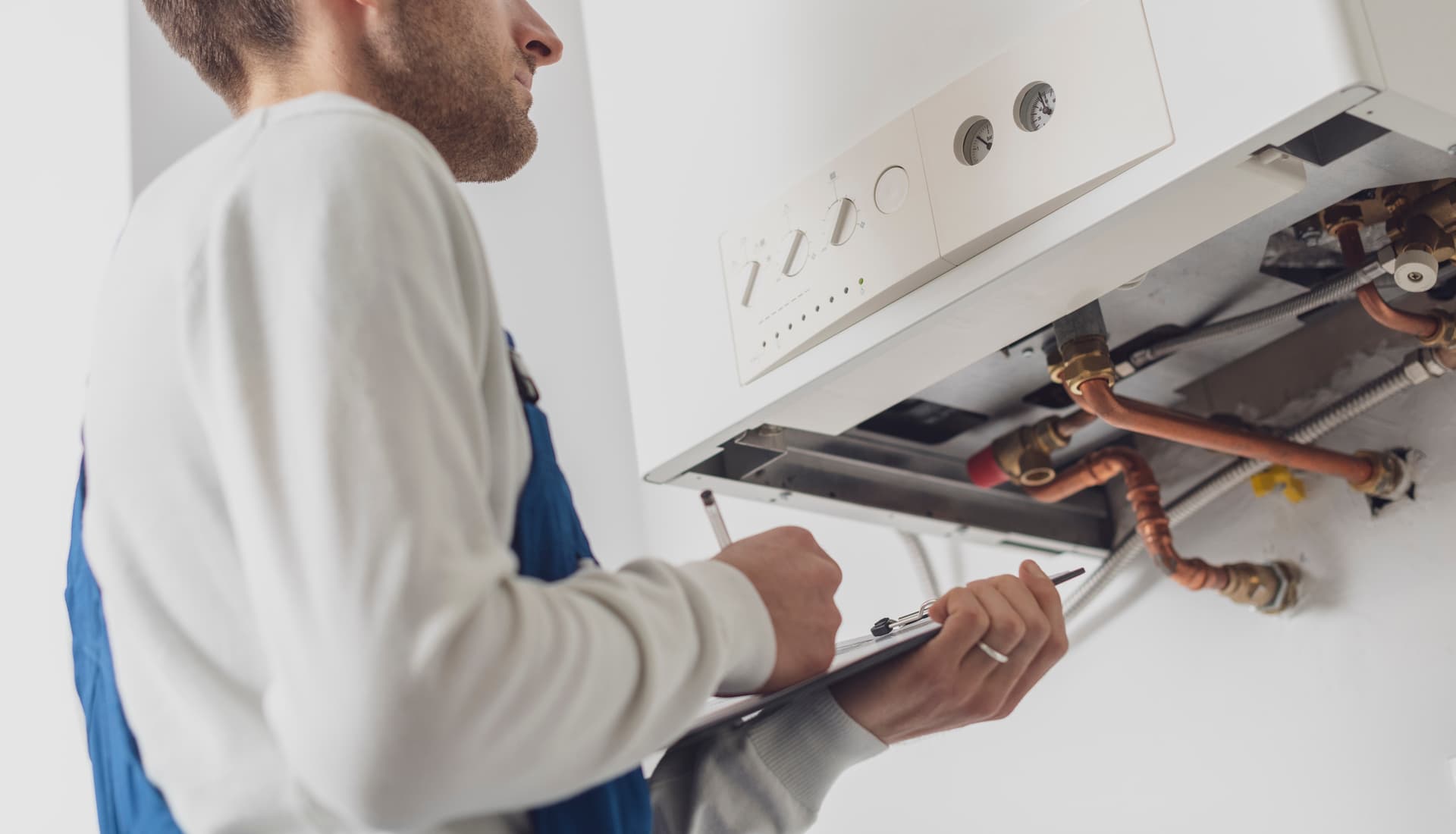
When you book Boiler Servicing with us, the useful part is not simply that an engineer opens the casing and confirms the boiler runs. The service is about comparing several signs from the appliance, gas supply, flue and heating system so we can identify unsafe combustion, restricted operation or developing component problems.
That distinction matters in homes across Muswell Hill, Highgate and the surrounding North London areas. A boiler may still heat your radiators while combustion is poor, a safety control is unreliable or a component is becoming contaminated. The purpose of the service is to investigate the condition behind the visible symptoms.
1. We start with the installation and appliance condition
Before testing, we inspect the boiler and its immediate surroundings. This helps us understand whether the appliance has suitable access, whether visible pipework and connections appear sound, and whether anything around the boiler could affect safe operation or future maintenance.
We also look at the boiler's general condition rather than treating every appliance as identical. Manufacturer design, installation layout and the age of individual components all affect what an engineer needs to pay attention to. An inspection can identify corrosion, signs of leakage, damaged insulation, disturbed connections or restricted access that may not be apparent during normal use.
This stage provides context for the measurements that follow. A reading is more useful when it is considered alongside the condition of the appliance and the way it has been installed.
2. Combustion and flue checks show what the boiler is producing
The burner mixes gas and air to create heat. If that mixture or the combustion process is not operating correctly, the boiler may lose efficiency and produce unsafe combustion products. That is why combustion cannot be judged reliably by listening to the boiler or looking at the flame alone.
We use flue gas analysis, which measures the gases produced by the boiler, to assess whether the fuel is burning correctly and whether the flue is removing those gases as it should. We also inspect the flue route and connections as part of the wider safety assessment.
A flue problem is not always obvious from inside the property. Its condition, where it ends outside and how easily it can be accessed can all affect what can be established during the service. If an engineer finds a concern, we explain what it means and what needs to happen next rather than presenting a technical reading without context.
3. Gas tightness and safety controls are checked for protection
A boiler relies on more than the burner itself. Gas-tightness checks help identify whether gas is escaping from the relevant installation. Safety controls are also examined to confirm that the appliance can respond appropriately when operating conditions are outside normal limits.
Controls, electrodes and other accessible components help ignite the boiler, confirm that the flame is burning safely and keep the appliance operating safely. A fault in one part may present as intermittent ignition, repeated resets or unreliable heating, but the underlying cause needs to be established rather than guessed from the symptom.
We do not bypass or ignore a safety control simply because the boiler is currently working. The point of servicing is to assess the systems designed to prevent a problem from becoming dangerous.
4. Pressure, flow, condensate and the pump reveal system health
Pressure and flow checks help us assess how the boiler and heating system are operating together. These readings can point towards restrictions, circulation problems or conditions that place unnecessary strain on the appliance.
We inspect the condensate pipework and pump where applicable. The condensate pipe carries waste water away from the boiler, while the pump moves heated water around your radiators and pipework. Poor drainage, contamination or a pump that is not operating correctly can affect reliability even when the boiler starts and produces heat.
These checks are particularly useful because a boiler fault is not always caused by the main appliance. The surrounding system can contribute to noise, poor heat distribution, repeated shutdowns or excessive wear.
5. Cleaning is based on condition, not appearance
Accessible components may need cleaning where deposits or contamination could affect operation. Cleaning is not a substitute for testing, and it is not sensible to remove parts unnecessarily. We consider what can be safely accessed, what the appliance requires and whether contamination is affecting performance or safety.
After the checks, we explain our findings clearly. If the boiler is operating as expected, you should understand what has been assessed. If we identify a fault or developing issue, we outline the problem and the available next steps before additional repair work is carried out.
For homeowners in Muswell Hill, Finchley, Barnet, Hendon and nearby areas, our Gas Safe Registered engineers provide boiler servicing as part of our wider heating and gas service. Contact BeeXpress Heating & Renewables if you want a proper technical assessment rather than a superficial sign-off.
Other Articles


